Baking & Desserts Classic Vanilla Butter Cake
Highlighted under: Cakes & Treats
When I first set out to bake a classic vanilla butter cake, I wanted something that would remind me of homemade treats from my childhood. The rich aroma of butter and vanilla filling the kitchen is simply irresistible. This cake is not only incredibly simple to make but also versatile enough to be enjoyed on its own or dressed up for celebrations. I especially love how the texture is perfectly soft and moist, making each slice a delight. You’re bound to love this recipe as much as I do!
My journey with this classic vanilla butter cake started when I was trying to recreate a childhood favorite. I found that using high-quality butter and real vanilla extract truly elevates the flavors, giving it that authentic taste we all crave. The key is to ensure the butter is at room temperature for a smooth batter.
I also discovered that letting the cake rest after baking allows the flavors to meld beautifully. The first time I tasted this cake, it was moist and perfectly tender, making me fall in love all over again. It’s definitely a recipe I’ll keep in my arsenal!
Why You'll Love This Recipe
- Light and fluffy texture that melts in your mouth
- Deliciously rich vanilla flavor that shines through
- Perfect base for frosting or enjoying plain
Understanding the Ingredients
The choice of butter is crucial in achieving that rich flavor for your vanilla butter cake. I recommend using high-quality unsalted butter to maintain control over the salt in the recipe, which can affect overall taste. This cake relies heavily on butter for its texture, so make sure it’s softened adequately to create a fluffy batter when creamed with sugar. If you happen to forget to take it out of the fridge, a quick 10 to 15 seconds in the microwave should soften it without melting.
Vanilla extract provides the distinctive flavor that defines this cake. While pure vanilla extract yields the best results, you can opt for imitation vanilla if you're in a pinch. However, keep in mind that it will slightly alter the depth of flavor. For an extra twist, consider adding the seeds from a vanilla bean pod, which can elevate the cake's aroma and appearance.
Mastering the Mixing Technique
Mixing your ingredients properly is key to achieving the light and fluffy texture you desire. When creaming butter and sugar, aim for a pale, airy mixture that takes approximately 3 to 5 minutes to achieve. This step incorporates vital air into the batter, which helps the cake rise beautifully. Be careful not to overmix once you add the flour mixture; stop mixing as soon as you see no dry streaks to avoid developing gluten, which can create a dense texture.
For the structured layers, use a rubber spatula to gently fold the mixture after incorporating the flour and milk. This method maintains the airiness from the creaming stage while ensuring everything is evenly combined. If you prefer a denser cake, consider adding a tablespoon of yogurt or sour cream, which can provide moisture and lend a slight tanginess, balancing the sweetness.
Serving and Storing Your Cake
Once cooled, this vanilla butter cake can be enjoyed simply with a dusting of powdered sugar or a light glaze. For special occasions, consider frosting it with buttercream or cream cheese frosting, which complements the vanilla flavor perfectly. If you're feeling adventurous, layer it with fresh berries or lemon curd for a refreshing touch. For an elegant presentation, you can also slice the cake horizontally and fill with your choice of fruit preserves or whipped cream.
If you have leftovers, store the cake in an airtight container at room temperature for up to three days. To extend its life, you can freeze it wrapped tightly in plastic wrap and then foil for up to three months. When ready to enjoy, simply allow it to thaw at room temperature. If desired, freshen it up with a quick glaze or a light sprinkle of powdered sugar.
Ingredients
Gather the following ingredients to prepare this delightful vanilla butter cake:
Ingredients
- 2 cups all-purpose flour
- 1 1/2 cups unsalted butter, softened
- 1 1/2 cups sugar
- 4 large eggs
- 1 tablespoon vanilla extract
- 1/2 teaspoon salt
- 1 tablespoon baking powder
- 1/2 cup milk
Make sure to measure out the ingredients accurately for the best results.
Instructions
Follow these simple steps to bake your classic vanilla butter cake:
Preheat the Oven
Preheat your oven to 350°F (175°C) and grease two 9-inch round cake pans.
Cream Butter and Sugar
In a large mixing bowl, cream together the softened butter and sugar until light and fluffy.
Add Eggs and Vanilla
Add the eggs one by one, mixing well after each addition, then mix in the vanilla extract.
Combine Dry Ingredients
In a separate bowl, whisk together the flour, baking powder, and salt.
Mix Ingredients
Gradually add the dry mixture to the butter mixture, alternating with milk, starting and ending with the flour.
Bake the Cake
Pour the batter evenly into the prepared pans and bake for 35-40 minutes, or until a toothpick inserted in the center comes out clean.
Cool and Serve
Allow the cakes to cool in the pans for 10 minutes, then transfer to a wire rack to cool completely before frosting.
Once cooled, you can frost the cake or enjoy it plain!
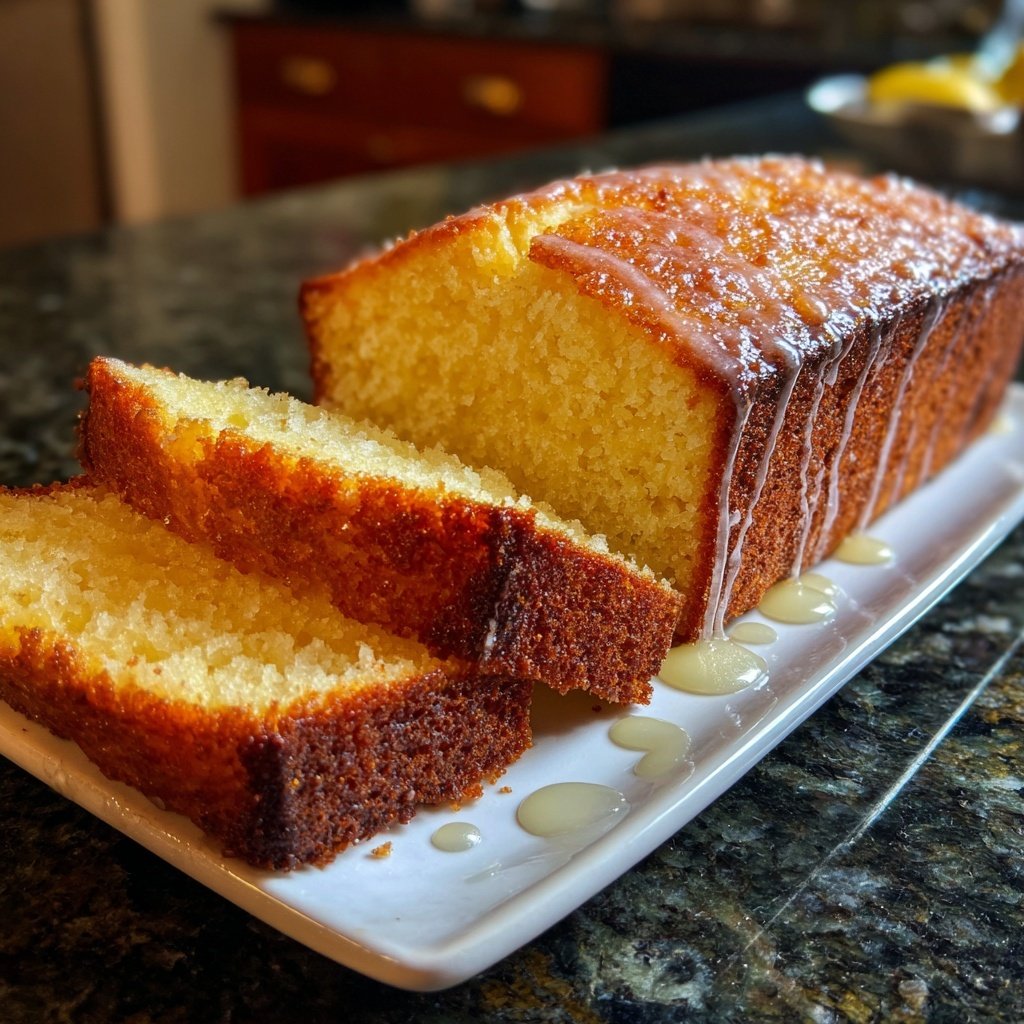
Pro Tips
- For extra flavor, consider adding lemon zest or almond extract to the batter. Make sure not to overmix the batter to keep the cake light and airy.
Troubleshooting Common Issues
If your cake sinks in the middle, it might be due to under-mixing or that the oven temperature was too low. Ensure your oven is accurately calibrated, as each oven can vary significantly. A good rule of thumb is to rotate your cakes halfway through the baking time for even baking. Also, avoid opening the oven door too frequently, as this can cause the temperature to drop unexpectedly and affect the rise.
For a cake that comes out too dense, verify that the baking powder is fresh and active. An expired leavening agent can prevent your cake from rising. Additionally, be ready to scale back on mixing once the flour is incorporated, as overmixing after the dry ingredients are added can lead to unexpected density.
Scaling Up for Larger Cakes
If you're planning to bake a larger cake, you can easily double the recipe for a 9x13 inch pan or to create thicker layers. Just remember that the baking time will increase, so start checking for doneness around the 45-minute mark. To maintain even baking throughout, consider using cake strips or lowering the oven temperature slightly, which can ensure that the cake rises uniformly without drying out.
When scaling down, such as making a half-batch, you can use a 6-inch round cake pan instead. Adjusting the baking time accordingly should also be anticipated, with a smaller cake likely needing only 25 to 30 minutes in the oven. Checking for doneness with a toothpick remains important regardless of the size adjustments.
Questions About Recipes
→ Can I substitute the all-purpose flour?
Yes, you can use cake flour for a lighter texture or gluten-free flour if needed.
→ How long can I store the cake?
You can keep the cake in an airtight container at room temperature for up to 3 days.
→ Can I freeze the cake?
Yes, wrap the cooled cake tightly in plastic wrap and foil, and it can be frozen for up to 2 months.
→ What’s the best way to frost this cake?
Use a buttercream frosting for a classic combination, or enjoy with a sprinkle of powdered sugar.
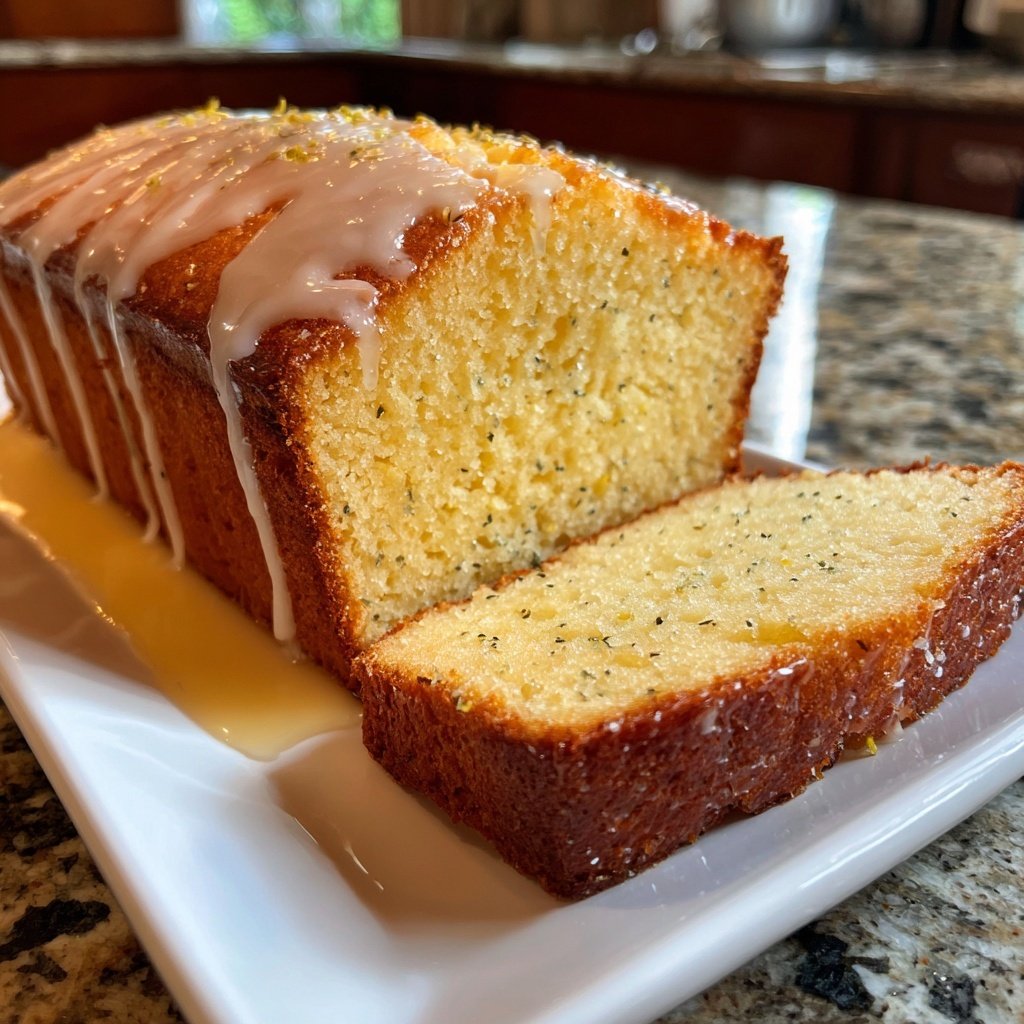
Baking & Desserts Classic Vanilla Butter Cake
Created by: Sloane Patterson
Recipe Type: Cakes & Treats
Skill Level: Beginner
Final Quantity: 8 servings
What You'll Need
Ingredients
- 2 cups all-purpose flour
- 1 1/2 cups unsalted butter, softened
- 1 1/2 cups sugar
- 4 large eggs
- 1 tablespoon vanilla extract
- 1/2 teaspoon salt
- 1 tablespoon baking powder
- 1/2 cup milk
How-To Steps
Preheat your oven to 350°F (175°C) and grease two 9-inch round cake pans.
In a large mixing bowl, cream together the softened butter and sugar until light and fluffy.
Add the eggs one by one, mixing well after each addition, then mix in the vanilla extract.
In a separate bowl, whisk together the flour, baking powder, and salt.
Gradually add the dry mixture to the butter mixture, alternating with milk, starting and ending with the flour.
Pour the batter evenly into the prepared pans and bake for 35-40 minutes, or until a toothpick inserted in the center comes out clean.
Allow the cakes to cool in the pans for 10 minutes, then transfer to a wire rack to cool completely before frosting.
Extra Tips
- For extra flavor, consider adding lemon zest or almond extract to the batter. Make sure not to overmix the batter to keep the cake light and airy.
Nutritional Breakdown (Per Serving)
- Calories: 380 kcal
- Total Fat: 26g
- Saturated Fat: 15g
- Cholesterol: 195mg
- Sodium: 85mg
- Total Carbohydrates: 32g
- Dietary Fiber: 3g
- Sugars: 24g
- Protein: 6g